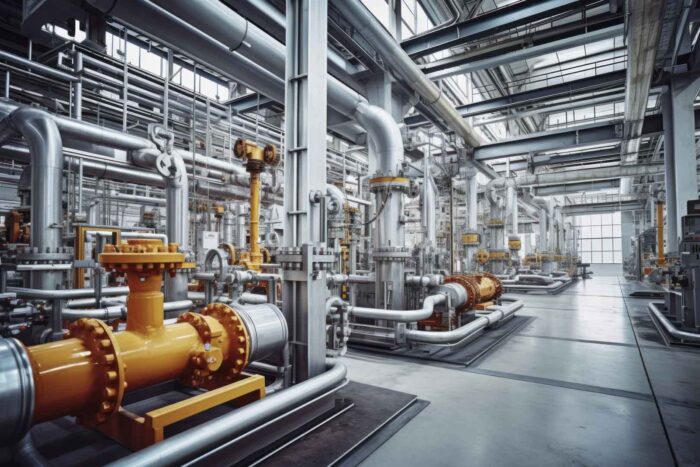

Collaboration in Fluid Engineering
Fluid engineering is a vital part of industries such as oil and gas, water treatment, and chemical processing. As systems become more complex, challenges such as flow maldistribution, pressure drops, cavitation, and energy waste come up that need to be addressed. These problems are usually solved by several people—sometimes from different teams or disciplines. Let’s explore how collaboration plays a major role in overcoming fluid engineering problems. As the famous saying goes, teamwork makes the dream work.
Typical Challenges in Collaboration
While collaboration is essential in addressing complex fluid engineering problems, it comes with its share of challenges. One of the most common is communication gaps or miscommunication. When teams come from various backgrounds and disciplines, their perspectives differ. The person delivering the information may have a different interpretation from the one receiving it. This makes clear, open, and constant communication crucial in ensuring everyone is aligned toward the same project goal.
Another challenge is having critical information compartmentalized within separate teams or departments. For example, one team may rely on simulation data while another works with plant test results. Without data sharing, these barriers could cause inconsistent results and analysis. Having an integrated information management provides consistent and reliable data among the concerned teams, reducing discrepancies and inefficiencies.

Additionally, the incompatibility of tools makes it even more challenging to collaborate when integrating work across teams. Without standardized tools or common platforms, integrating inputs across different specialties does more than slow things down; it also increases the risk of errors. Investing in compatible tools and platforms, or having standards for integrating information, can make collaboration easier and more effective.
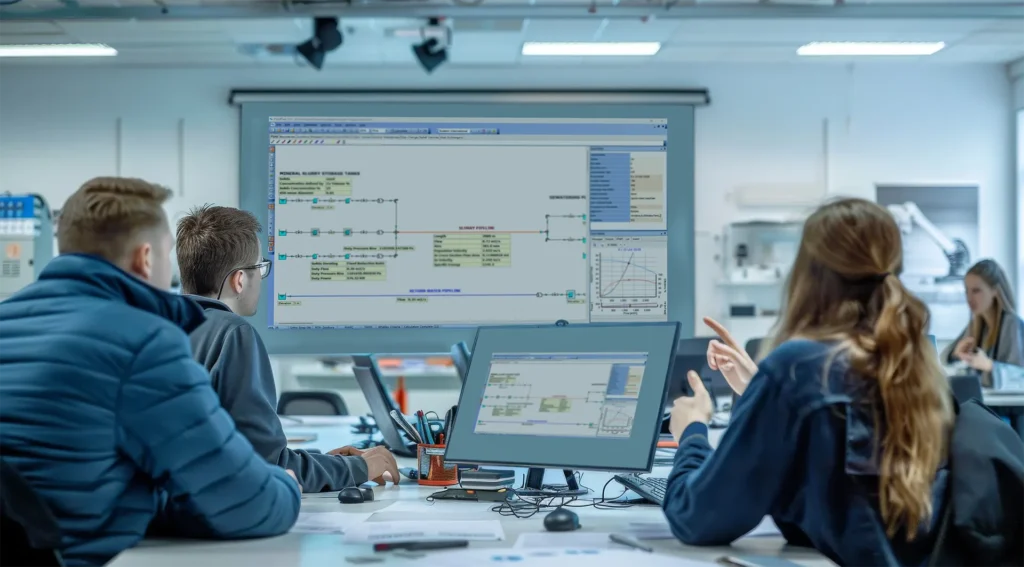
Tools like FluidFlow can bridge the gaps by providing a common platform for simulation and modeling. It is up to the team members, however, how they will use and maximize such tools for a more efficient collaboration.
Important Principles for Solving Fluid Engineering Challenges
Here’s a step-by-step approach to solving fluid engineering problems with collaboration:
1. Clearly Define the Problem
Obtain inputs from all the stakeholders to establish the main objectives of the system, as well as its requirements and constraints. A well-defined problem will most likely have all the team members aligned and focused towards the same goal.
Example: A wastewater treatment plant needs to reduce energy consumption without compromising the capacity of the existing plant.
2. Identify Key Components
Identification of the key components that influence the performance of the system is crucial in achieving engineering goals. It involves assessing contributing factors like pump efficiency, pipe sizing, pressure drops, and control valve settings to identify areas for improvement.
3. Simulate and Analyze
Develop a model to discover potential bottlenecks like pressure imbalances, cavitation dangers, excessive velocities, or unwanted flashing. Tools like FluidFlow provide insightful information, but what’s more important is how the results are interpreted and analyzed. Teams need to share findings, verify assumptions, and explore alternative options as a group.
4. Iterate and Optimize
Iterate the design and test different cases or options, as necessary. For example, the use of different pipe sizes, optimizing pump positioning, or experimenting with different materials can potentially lead to substantial efficiency gains. Each step should be carefully reviewed, documented, and shared with all interested stakeholders to ensure everyone is on the same page and to facilitate informed decision-making.
5. Validate and Implement
After optimizing, it’s crucial to test the solution against the initial criteria. Share the findings to ensure the solution meets all technical, operational, and environmental criteria. Clear reporting of findings is crucial to achieve stakeholder acceptance and facilitate seamless implementation.

Real-World Applications for Collaborative Fluid Engineering
Case Study 1: Optimizing a High-Temperature, High-Pressure Test Rig
Assystem worked with suppliers of valves and pumps to build a test rig to run under extreme conditions (300°C and 150 bar). Using FluidFlow to model and optimize the system, the group was able to satisfy extremely varied set of flow conditions (0.02 kg/s to 0.8 kg/s) without encountering issues such as pump “dead heading.” The project demonstrated the value of using advanced simulation tools in providing accurate component selection, cost savings, and tight deadlines for challenging fluid engineering problems.
Case Study 2: Optimizing a Helideck Firefighting System for a Vessel
This case study demonstrates the application of collaborative fluid engineering to optimize the helideck firefighting system for a vessel. Using the skills of Cochin Shipyard Ltd.’s engineers and the pump manufacturer, the group used FluidFlow to test the use of the existing pump to meet upgraded criteria, saving the cost of costly changes. The project assured compliance with DNV class standards, conserved revenue and time, and demonstrated the value of collaboration and the right set of tools in solving real-world fluid engineering problems.

Best Practices for Engineers
To help engineers work together more effectively and achieve better outcomes, below are some best practices:
1. Maintain Open Communication
Regular team meetings and a well-established correspondence system keep everyone in the loop and aligned with project goals and milestones. This also provides an opportunity to clarify assumptions, brainstorm ideas, and raise issues in a timely manner.
2. Standardize Data and Assumptions
Establishing common data and general assumptions is crucial at the start of every project. This minimizes errors and conflicting data early on, which could easily escalate and affect analysis and decision-making.
3. Use a Shared Database
Use a common database to standardize data and share results. Sometimes, one team’s output is another team’s input. Maintaining a shared database promotes efficiency, accuracy, and reliability.
4. Ensure Proper Documentation
Properly document calculation bases, assumptions, methodologies, and results for future reference. This promotes traceability and seamless handover of necessary information when the need arises.
Conclusion
Complex fluid engineering problems are more easily managed and solved by teams. Whether designing vast gas distribution systems or optimizing water treatment plants, it is always best to work together. Teams can exchange perspectives, challenge ideas, and leverage tools like FluidFlow for a more efficient and reliable design. With the right amount of technical expertise, collaboration, advanced tools, and a systematic approach, teams are more likely to overcome these challenges and achieve their goals.